-
Email
-
Call Us
-
Our Address
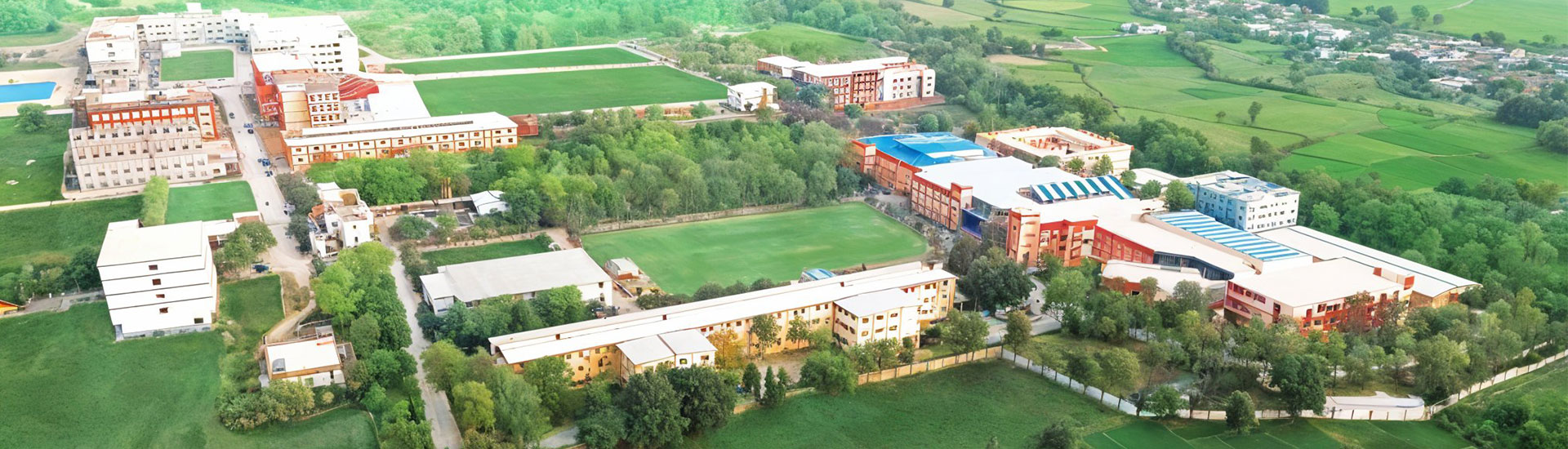
Ramchandra Chandravansi Institute of Technology
About College
 Commencement of the first academic year in 2008-09 of fulltime, four year degree course in engineering at Ramchandra Chandravansi Institute of Technology was a watershed event in the history of higher education in this backward region of our country. The college is located in a serence environment within the sprawling 100 acre Bishrampur, Palamu campus of RCU. There are five branches of study –
- Computer Science & Engineering
- Electronics & Communication Engineering
- Electrical Engineering
- Civil Engineering
- Mechanical Engineering
Department of Electronics & Communication Engineering
 Electronics Engineering is an electrical engineering discipline which utilises nonlinear and active/passive electrical components such as semiconductor devices and integrated circuits to design electronic circuits, devices, VLSI devices and their systems.
Telecommunication is a diverse field of engineering connected to electronic and systems engineering. Telecom engineers are responsible for providing high-speed data transmission services. A variety of equipment and transport media are used to design the telecom network infrastructure. Telecommunication engineers also provide solutions revolving around wireless modes of communication and information transfer, such as wireless telephony services, radio and satellite communication and internet and broadband technologies. The curriculum is designed to provide bright employment prospects to students in core as well as in IT companies.
Career Prospects: Tele-Communication system design and operation, Defence research organisations, Electronic equipment design, Manufacturing and maintenance in various industries, Instrumentation & Control system maintanance, etc.
Labs: Basic Electrical Lab, Digital Electronics Circiuts Lab, Electronics Circiut Lab, Network & Devices Lab, Measurement Lab, Digital Communication Lab, Project Lab, VLSI Lab, Microwave and Antenna Lab
Department of Computer Science & Engineering
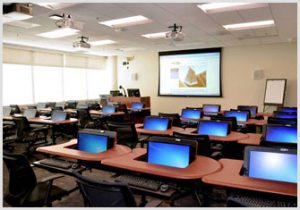 Computer Science & Engineering deals with the basic scientific relations and engineering principles governing design, manufacture and application of computers. A computer engineer is expected to deal with a wide ranging work from studies of algorithms to research on computing systems.
The curriculam is up-to-date and provides comprehensive coverage of both hardware and software including a strong theoretical foundation in software engineering. The students are prepared to cater to the fast growing IT field they graduate.
Career Prospects: Software development, Network design & maintenance, Hardware Engineer, Database administrator, Cyber Security, system designer, System analyst, Ethical hacking
Labs: Linux Laboratory, Programming Laboratory, Network Lab, Oracle Project Laboratory, Software Laboratory, Multimedia Lab.
Department of Electrical Engineering
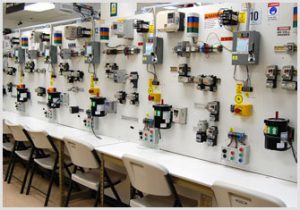 Electrical engineering is a core engineering discipline that generally deals with the study and application of electricity, electronics, and electromagnetism in all oftheir forms. This cover study of design, development, and maintenance of electrical systems and their components, ensuring quality, safety, reliability. Electrical engineers work on a wide range of components, devices and systems, from tiny microchips to huge power station generators.
Electrical engineering has numerous branches which involve study of rotating machines, power systems, control systems, power electronics and electronics for control purposes. In recent years, from house to companies everywhere there is a necessity for electricity to function, offering numerous opportunities to these branches.
Career Prospects: All manufacturing industries (Public & Private), Core companies like Power, Steel, Oil & Gas Sector, Chemical Plants, Reseach Engineer etc.
Labs: Electrical Machines Lab, Power Electronics and Device Lab, Microcontroller and Drives Lab, Instrumentation and Control Lab, High Voltage Lab, Power System Lab, Computation Lab, Embedded System/DSP/Soft computing Lab
Department of Civil Engineering
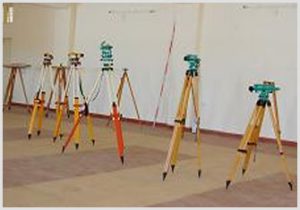 Civil Engineering deals with the design, construction, and maintenance of the physical and naturally built environment, including works like buildings, road, bridges, canals, dams, airports, sewerage systems, pipelines and railways. Job of a Civil Engineer includes conception, design, construction, operation, and maintenance of infrastructure projects and systems in the domain of public and private sector. Students are provided exposure in diverse subjects such as Environmental Engg, Geo- Technical Engg, Transportation Engg, Surveying, Construction etc. Laboratories provide excellent support to complement the theoretical courses.
Career Prospects: All infrastructure related projects in public & private domain, Research in newer avenues in the field, Armed forces etc.
Labs: Basic Civil and Engineering Mechanics, Geotechnical Engineering Lab, Environmental Engineering, Engineering Mechanics Lab, Strength of Material/Concrete Technology, Surveying Lab, Fluid Mechanics Lab, Engineering Geology Lab, Transportation Engineering Lab
Department of Mechanical Engineering
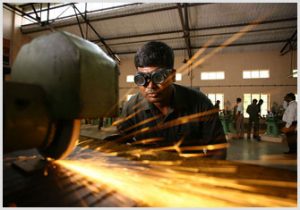 Mechanical Engineering is the discipline that applies engineering, physics, and materials science principles to design, analyse, and maintain any system that has moving parts. It is one the oldest and broadest of the engineering disciplines. Applications of mechanical engineering include almost all fields of endeavour: transportation systems, all manufacturing processes, consumer good industries, nuclear power plants, conversion of thermal energy to useful work etc. Thus demand of mechanical engineers is very high in all industrial activities.
Career Prospects: Production Engineer, Maintenance Engineer, Design & Developement Engineer, QC Engineer etc.
Labs: Basic Mechanical Engineering Lab, Engineering Drawing, Fluid Mechanics Laboratory, Applied Thermodynamics Strenth of Material Lab, IC Engine Lab, Theory of machine and Dynamic of machine Lab, Modeling and Analysis Lab, Heat Transfer Lab, Refrigeration and Air Conditioning Lab, Metrology and Quality Control Lab and Workshop
Courses Offered
| Courses | Duration (In Years) | Fees (Per Year) | Eligibility | Choice of Branch |
| B. Tech | Regular 4 Years | Rs. 55,100/- | Candidate should have Qualified JCECEB/AIEEE (4 years) or Common Entrance TestConducted by RCIT Candidate must have Passed +2 Examinations with Physics, Chemistry, Maths and English (Compulsorily) with 45% Marks (Gen) & 40% Marks for SC/ST/OBC | (A) Computer Science & Engineering (B) Electronics & Communication Engineering (C) Electrical Engineering (D) Civil Engineering (E) Mechanical Engineering |
| B. Tech | Lateral 3 Years | Rs.60,000/- | Diploma course (3 years) in Respective Branch (3 years) with 45% marks (Gen) & 40% marks for SC/ST/OBC |
